
“The most important thing about a journal isn’t what it’s made of. It’s what you are willing to put inside it.”
There is something almost ceremonial about opening a new notebook. The pages are clean, the cover is untouched, and there are no abandoned lists, unfinished thoughts, crossed-out sentences, or coffee stains staring back at you. For a brief moment, the possibilities feel endless.
Then there is the other kind of journal, the one sitting quietly inside your phone. A blank document, a notes app, and a private digital journal that you can open at 1:17 a.m. when a thought refuses to let you sleep.
Both can hold your memories, both can hold your fears, both can hold your dreams and both can become a record of your life.
So which one should you choose? A beautiful paper journal? Or a digital journal that lives on the device you already carry everywhere?
The answer is more interesting than you might think.
First, Let’s Remember What a Journal Actually Is
Before we compare paper and digital journaling, let’s return to the question we explored in our first article:
What makes something a journal?
It isn’t the notebook, it isn’t the leather cover, it isn’t the fountain pen, and it definitely isn’t the app.
A journal is created by the act of intentionally recording your thoughts, experiences, observations, memories, questions, ideas, or reflections.
The container can change, but the purpose remains.
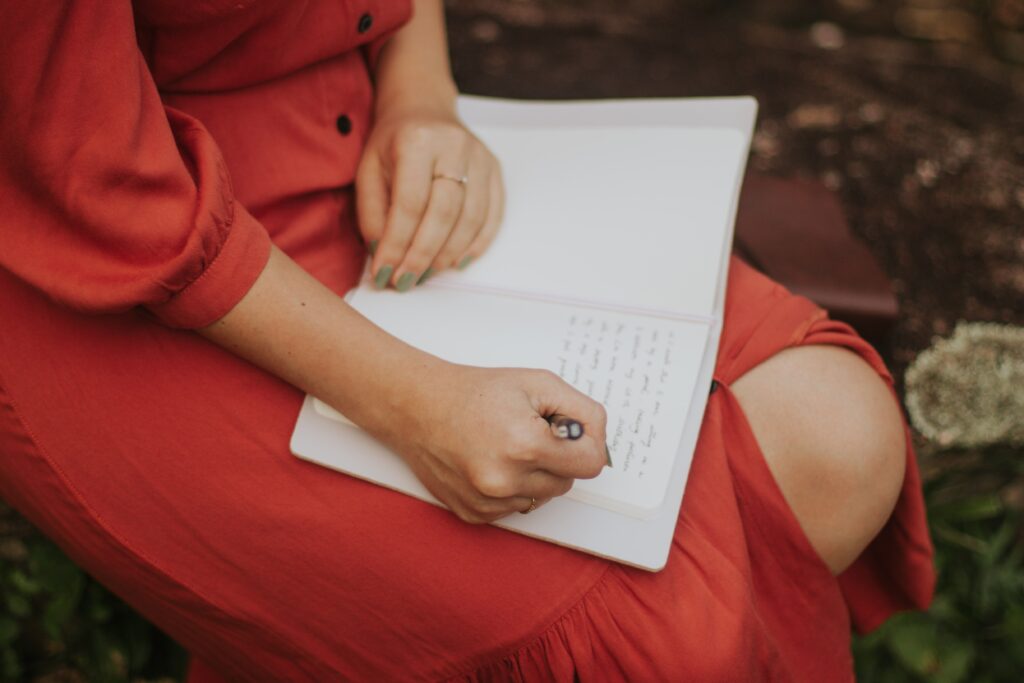
A teenager writing three pages about university in a notebook is journaling.
A businessman recording the day’s lessons in a private document is journaling.
A mother writing letters to her future child is journaling.
A traveller typing observations into a phone while sitting in an airport is journaling.
A grandfather recording memories on a tablet for his grandchildren is journaling.
The technology is different while the human instinct is the same…
We want to remember.
The Case for Paper Journals

Let’s start with the classic. The notebook, the physical journal and the thing you can hold.
There is a reason paper has survived generations of technological change. Writing by hand feels different as there is a physicality to it. Your hand moves and the page fills.
Your handwriting changes when you’re excited, and it becomes smaller when you’re rushing. Sometimes the words become almost unreadable when you’re angry. Years later, those little imperfections become part of the story.
A typed sentence can tell you what you thought, while your handwriting can sometimes remind you how you felt.
That is one of the beautiful things about physical journals. They preserve more than words.
Paper Creates a Ritual
Perhaps one of the greatest advantages of a physical journal is the ritual surrounding it.
You might have a particular chair, a favourite pen, a cup of tea and a quiet corner. Maybe you write before everyone wakes up, or maybe you write after everyone has gone to bed.
Over time, those little routines tell your brain: This is my time to think.
And that matters. Because journaling isn’t only about producing words, it is about creating space.
Paper Journals Can Become Time Capsules
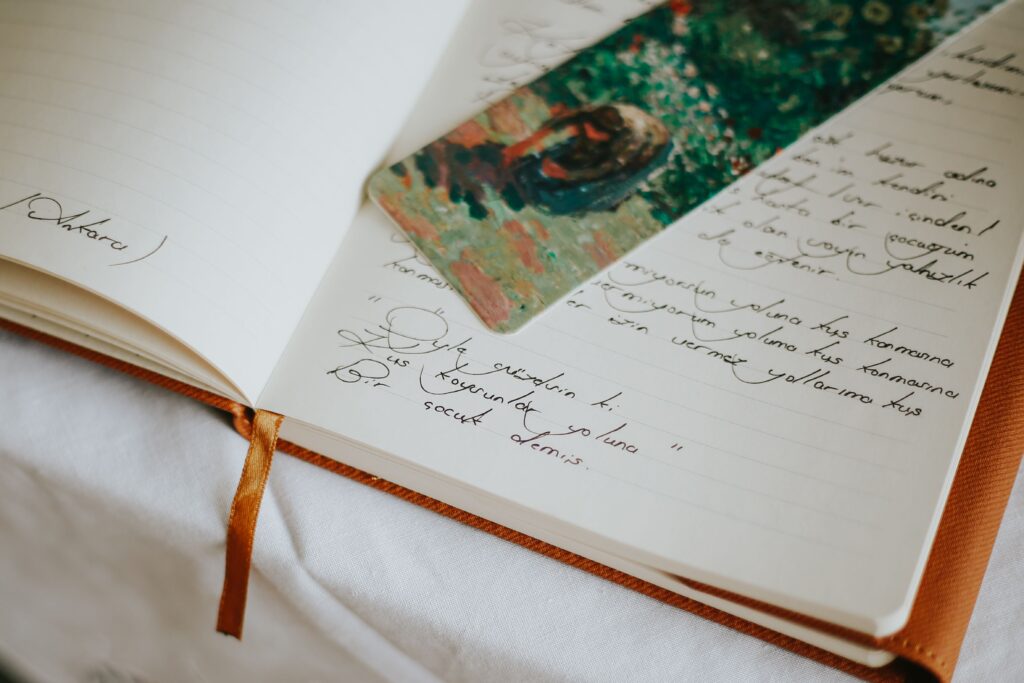
Imagine finding a journal you wrote ten years ago. You open it and the handwriting is yours. But somehow, the person behind the handwriting feels slightly unfamiliar.
You see an old shopping list.
A complaint about traffic.
A friend’s name.
A dream you had completely forgotten.
A fear that eventually disappeared.
A person you loved.
A plan that never happened.
A dream that actually did.
The physical journal becomes an object from another version of your life. That is difficult to replicate emotionally with a collection of digital files.
Paper ages with you.
But Paper Has Its Problems
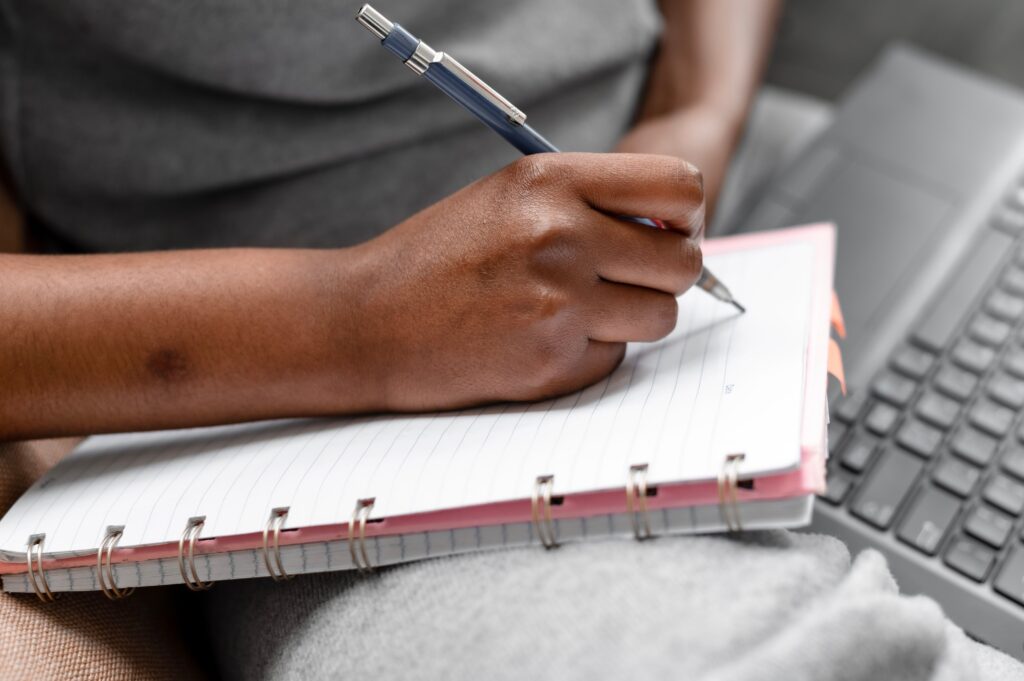
Let’s be honest, paper journals are beautiful, but they can also be inconvenient.
You have to carry them; they take up physical space; you can lose them; they can be damaged by water; and if you’re someone whose thoughts move faster than your handwriting, you may find yourself frustrated halfway through a sentence.
There is also the issue of privacy. A notebook sitting on your bedside table is not exactly encrypted. Anyone who picks it up can potentially read it. And if you’ve ever lived with curious siblings, roommates, children, or relatives, you already understand the problem.
Sometimes the safest place for a thought is not necessarily the most obvious one.
Now Enter the Digital Journal
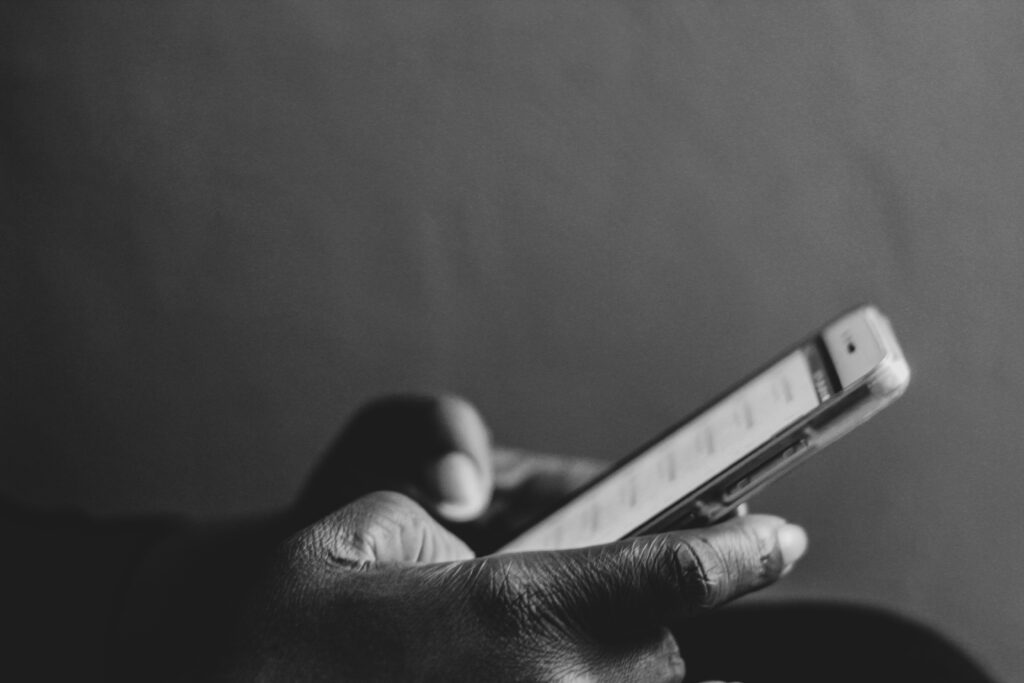
Your phone is already with you, your laptop is probably nearby, your tablet is waiting, and suddenly you have a journal that can travel everywhere without adding another kilogram to your bag.
Digital journaling offers something paper sometimes cannot:
accessibility.
You can write on the bus.
At the airport.
During lunch.
In a hotel room.
While traveling.
At 3 a.m.
Whenever inspiration, or emotional chaos decides to visit.
Digital Journals Are Convenient

Imagine having one journal that contains ten years of writing without requiring ten physical notebooks.
You can search for a word.
Find an old entry.
Organise by date.
Create folders.
Add photographs.
Attach documents.
Record voice notes.
Insert links.
Depending on the tool you use, you can even combine writing with photographs, videos, audio recordings, or other digital memories.
That makes digital journaling particularly interesting for people whose lives already exist heavily online.
Digital Journaling Can Be Private

One of the strongest arguments for digital journaling is privacy.
Depending on the platform and device you use, you may have options such as passwords, device security, encryption, or protected accounts. That can make it easier to write honestly.
But remember:
Digital does not automatically mean private.
Your journal may be stored on a device or service you don’t fully control. So if you are keeping deeply personal information digitally, understand the privacy and backup settings of whatever system you choose.
Your journal is a record of your life. Treat it accordingly.
Digital Journals Are Also Easy to Organise

Imagine having different sections for:
My Thoughts
My Business
My Travel
My Finances
My Family
My Ideas
My Future
Everything can be searched and organised. For someone who enjoys structure, this can be wonderful.
For someone who prefers chaos, well, digital journaling can accommodate that too. You can write one enormous paragraph at midnight and worry about organising it later.
No one is judging you, except perhaps your future self.
So Which Is Better?
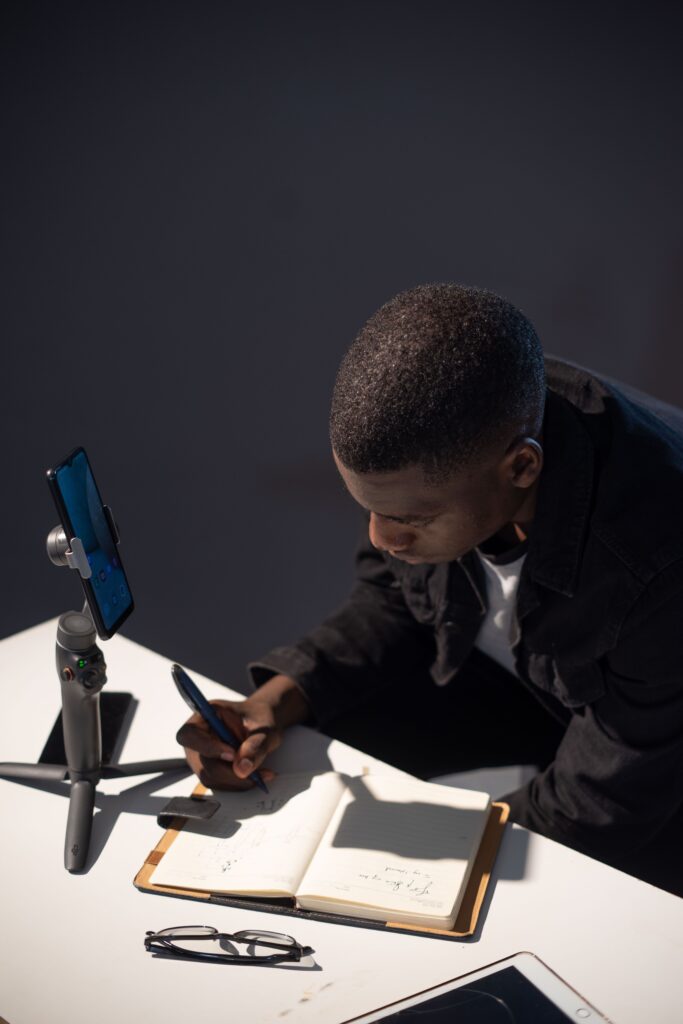
Here’s where I think we should resist the temptation to declare a winner. Because there isn’t one. The better question is:
Which one helps you journal consistently and honestly?
If you love beautiful stationery, enjoy handwriting, and want your journals to become physical keepsakes, paper may be perfect for you.
If you travel frequently, type quickly, want easy searching, or already live much of your life digitally, a digital journal may suit you better.
And if you like both?
Use both. There are no journaling police.
The Hybrid Journal

This might actually be the best option for many people.
You could keep a physical journal for deep reflection and a digital journal for quick thoughts.
For example:
Paper
Morning reflections.
Personal letters.
Major life events.
Creative writing.
Deep emotional processing.
Digital
Quick ideas.
Daily observations.
Travel notes.
Business thoughts.
Photos.
Voice recordings.
Things you don’t want to forget.
You don’t have to choose one world. You can let them complement each other.
Think About the Person You Are

Rather than asking: “Which journaling method is better?”
Ask: “How do I naturally think?”
If you love writing by hand, paper may keep you engaged. If you think faster by typing, digital may feel more natural.
Where do I spend my time?
If you’re constantly traveling, digital may be easier. If you have a quiet home routine, paper may become a beautiful ritual.
What do I want my journal to become?
A private thinking space?
A creative notebook?
A family keepsake?
A searchable archive?
A future memoir?
Your answer may determine the best format.
And What About Your Future Memoir?
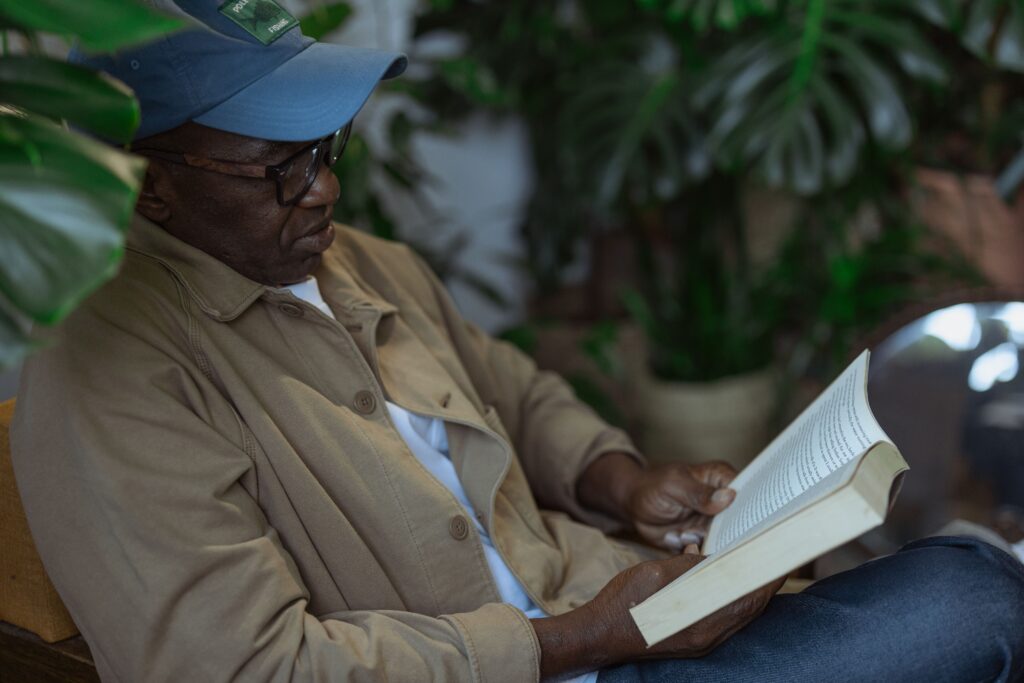
This is where the conversation becomes particularly interesting. Remember what we discussed in our previous article: Every journal can become a memoir in progress.
Imagine you’ve been journaling for ten years. You have hundreds of pages. Some are handwritten, some are digital, some contain photographs, some are just three sentences, some are long reflections, some are angry, some are funny and some are painfully honest.
Taken individually, they may seem insignificant. Taken together, they can tell the story of a life. This is precisely where memoir writing becomes fascinating. A memoir doesn’t simply copy your journal, it discovers the story within it.
A memoir writer can look across years of memories and identify the themes, turning points, relationships, struggles, triumphs, contradictions, and defining moments that shaped a person’s journey. That is one of the areas we hope to explore through Naija Diaries’ future Memoir Writing Service.
The goal will not simply be to “write someone’s life story.” It will be to help people uncover the story underneath the memories. To organise the fragments, to preserve the voice, and to transform years of experiences into a compelling narrative that can be shared with family, friends, future generations, or, where appropriate, a wider audience.
Your journal could therefore become more than a private record. It could become raw material for a legacy.
Imagine This
Your grandmother kept a journal. Maybe she started at thirty and she wrote occasionally. Some pages are beautiful, others are messy and some entries are only a paragraph.
She talks about her wedding, her first home, the birth of her children, the political events happening around her, the business she started, the people she lost, the things she feared and the things she hoped for.
Decades later, someone takes those journals and carefully shapes them into a memoir. Suddenly, a private collection of memories becomes a family history. A story that children can read, grandchildren can understand and generations yet unborn can inherit. That is the power of documentation.
You Don’t Have to Choose Today
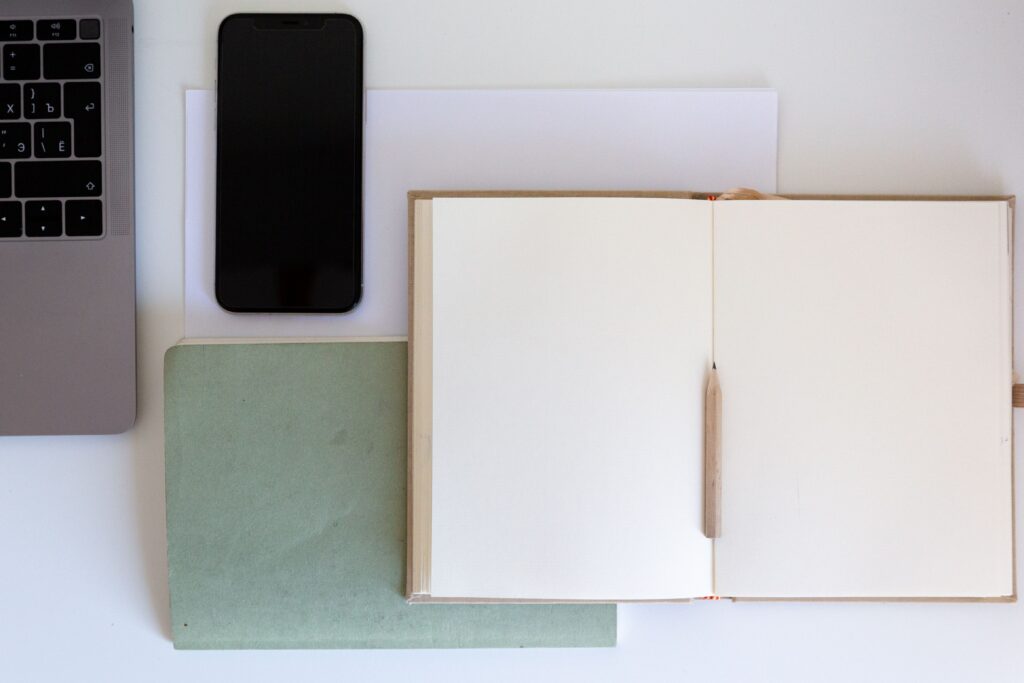
Perhaps you’re still undecided, that’s okay. Start with whatever you have.
If you have a notebook, use it.
If you have your phone, use it.
If you have both, use both.
The greatest mistake would be spending six months researching the perfect journaling system without actually writing a single sentence.
Don’t let the perfect journal become the reason you never begin.
You don’t need an expensive notebook.
You don’t need a sophisticated app.
You don’t need beautiful handwriting.
You don’t need a perfect routine.
You need a place to begin.
And Yes, We Love Beautiful Journals Too
At Naija Diaries, we believe practicality and beauty can coexist. A journal should be useful, but it can also make you excited to open it.
As our Journaling Collection develops, we’ll be creating beautiful, purposeful journals designed around different seasons and needs, and not just blank books with attractive covers.
Journals with intention.
Journals that invite reflection.
Journals that help you document a particular chapter of your life.
Journals that you might one day look back on and realise were quietly holding an important piece of your story.
Join the Journaling Circle

Perhaps the hardest part isn’t choosing between paper and digital, perhaps it’s continuing.
Starting is easy, the challenge is returning tomorrow, and the day after, and the day after that. That’s one reason we created the Journaling Circle.
A growing community for people who want to write, reflect, exchange ideas, take part in journaling challenges, and encourage one another to keep going.
You’ll discover prompts.
You’ll encounter new journaling ideas.
You’ll participate in challenges.
You’ll meet people who are also documenting their lives.
And perhaps most importantly, you’ll have somewhere to return when your journal has been sitting untouched for three weeks and you’re suddenly pretending that wasn’t happening.
No judgement, just pick up the pen, or open the screen, and begin again.
The Real Choice
Paper versus digital is ultimately the wrong question.
The real choice is: Will you make space to remember your life?
Because ten years from now, you probably won’t remember every ordinary Tuesday. You won’t remember every conversation. You won’t remember every dream you had at twenty-five. You won’t remember exactly how it felt to stand in a particular room on a particular afternoon.
Unless you leave yourself a trail.
A page.
A paragraph.
A photograph.
A voice note.
A sentence.
Something that says:
I was here.
This happened.
This mattered to me.
And perhaps that is the real art of journaling. Not recording everything, but recording enough to remember who you were, and enough to understand who you became.
What’s Coming Next?
We’ve explored what journaling is. We’ve explored why everyone should consider keeping one, and now we’ve explored the question of what to write in.
Next, we’ll move from the tools of journaling to the habit itself.
Our next article will explore How to Start Your First Journal, because the perfect journal is useless until you actually open it.
Today’s Journal Prompt
If you had to choose one format for preserving the next ten years of your life…paper, digital, or a combination of both, which would you choose, and what would you want your future self to find inside it?
Don’t just write what you would choose. Write why.
Then ask yourself one more question:
What is one thing happening in my life right now that I would regret forgetting?
Write about it. That’s your first entry.
Read the next article here: Common Journaling Myths: Everything You Think You Need to Know Before You Start